
July 25, 2025 by
David Allen
Marble polishing gets talked about like it’s a single “magic” service. In reality, what matters is how the work is planned and carried out in a real London property — flats with lift access, tight hallways, concierge rules, restricted parking, neighbours close by, and schedules that don’t allow a three-day building site.
This guide is written for London homeowners and property managers who want a clear picture of what professional marble polishing usually involves in London homes, what you should prepare, and how to avoid the common mistakes that lead to dull, patchy results.

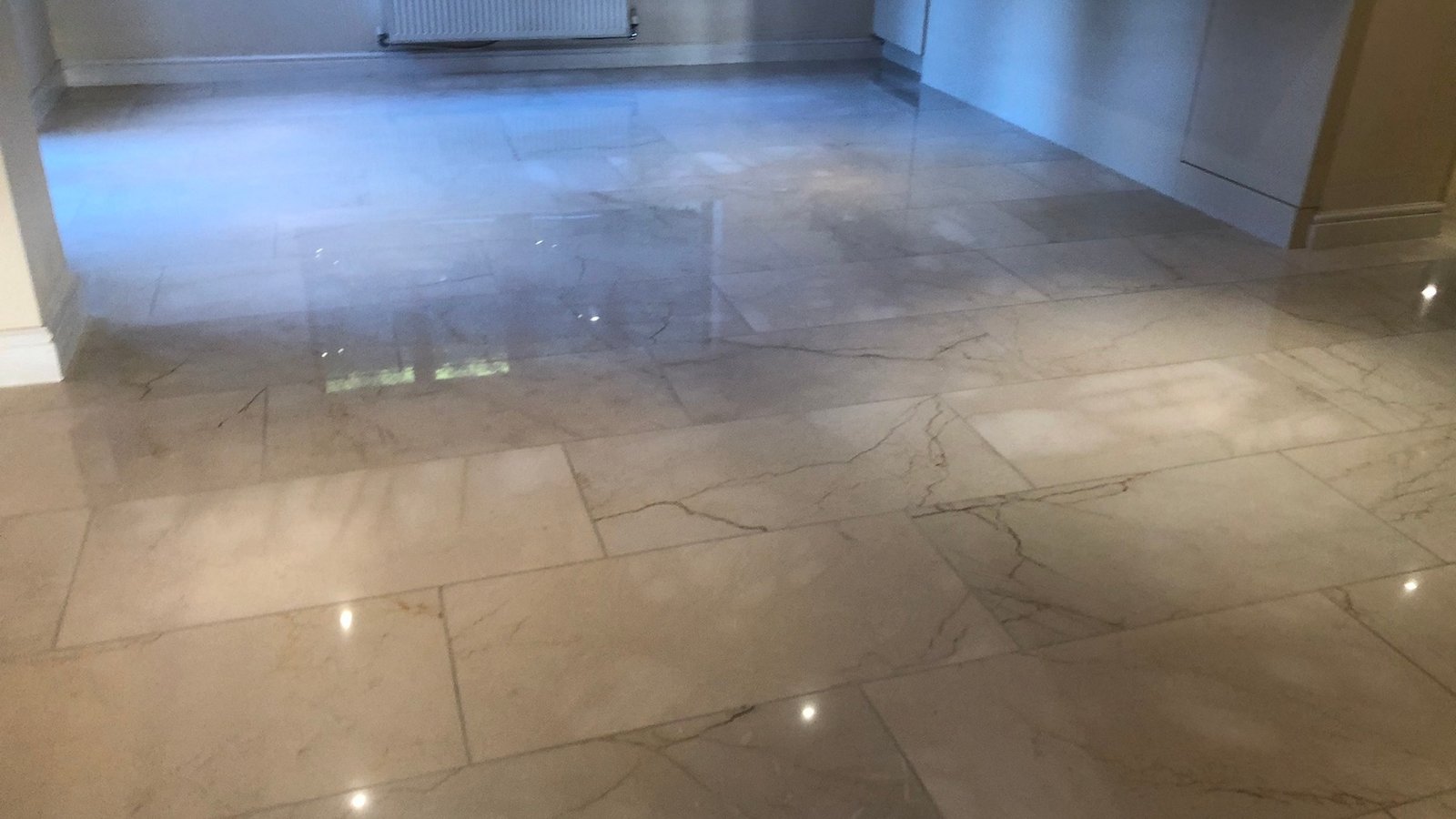
A great polish is a controlled, even finish — not a “wet look” that only appears under spot lighting. In London properties, the goal is usually a clean, bright, consistent surface that suits the room and doesn’t turn into a maintenance headache.
Proper polishing can:
Polishing isn’t armour plating — marble is still marble — but a professionally refined surface is typically more uniform and less prone to trapping grime. That can mean fewer stubborn traffic lanes in hallways, entrances, and kitchen routes.
In many London homes, the main issue isn’t marble “staining forever” — it’s everyday residue from cleaning products, tracked-in street dust, and greasy kitchen film building up in micro-texture. A correctly finished surface is simply easier to keep on top of.
Fila Pro Floor Cleaner
A pH-neutral cleaner that helps avoid the sticky residue problem that makes marble look dull.
ECOPROTEC Natural Stone & Porcelain Aftercare Cleaner
A gentle aftercare cleaner for routine mopping without harsh acids or strong alkalis.
Vileda H2PrO Spin Mop System
Lets you control moisture — helpful for marble and for London homes where quick drying matters.

A company can be brilliant on a ground-floor suburban job and still struggle in a London flat. Ask practical questions:
In London, the price often changes because of logistics and preparation — not because anyone is trying to be awkward. A proper quote should make clear:

In mansion blocks, flats, and commercial buildings, you want a contractor who is comfortable working under scrutiny. Public liability insurance and a calm, methodical approach are not “extras” — they’re part of a professional service.
Ask: “How do you make sure the finish is even across the whole floor?”
A confident professional will talk about consistent abrasion stages, inspection under correct lighting, and avoiding patchy “spot polishing”. If you hear hand-waving, move on.
Move furniture, rugs, and anything fragile. In London homes, also think about:
Professional polishing should include protection, but you can help by identifying sensitive areas:
Ventilation is useful, and so is access planning. If you’re in a managed building, check:
The first decision is not “how shiny?” — it’s what finish suits the space and the marble. A high gloss may look fantastic in a bright hallway, but a softer satin can be more forgiving in family kitchens and busy living areas.
Many London floors look “worn out” when they’re actually coated in residue. Proper deep cleaning removes built-up film so the real condition of the stone can be judged accurately.
Good polishing is staged. The surface is refined in a controlled way to restore clarity and consistency. A professional should aim to remove damage without taking off more stone than necessary.
Some marble benefits from a suitable impregnating sealer, particularly in kitchens and entrances. The right product choice depends on how the floor is used — and the goal is protection without making the floor harder to maintain.
Etching is dulling caused by acids (wine, citrus, many bathroom products). The fix is usually surface refinement, not “stronger cleaner”.
London street dust plus everyday cleaning residue creates grimy lanes that don’t shift with mopping. The solution is a combination of deep residue removal and uniform refinement.
These should be assessed before polishing. Some repairs can be blended beautifully; others need honest expectations. A professional should explain what will be “invisible” versus what will be “neat and improved”.
Most problems come from two habits: using the wrong product and using too much water. Stick to a pH-neutral cleaner and a controlled-moisture mop.
In London, grit is constant. A proper door mat strategy (outside + inside) and regular vacuuming makes a bigger difference than people expect.
Steam and heat can cause issues with certain stones and finishes, and can encourage moisture problems at edges and joints. Keep it simple: vacuum, damp mop, correct cleaner.
It depends on foot traffic and cleaning habits, but many London homes benefit from periodic professional refresh work every few years — especially in hallways, kitchens, and entrance routes.
You can, but it often leads to patchy results because residue and uneven wear are still there. Professional results come from correct preparation and an even, controlled approach.
Minor scratches and dullness usually improve significantly. Deeper scratches may require more refinement. A reputable professional will assess and explain what’s realistic.
Often, yes — but the marble type, current condition, and the room’s use all matter. The best finish is the one that looks great and stays looking great in your household.
It varies by size, access, and condition. In London properties, access planning and protection can be a bigger part of the day than people expect — and that’s a good sign, not a problem.
If a company can’t explain how they control dust, access, protection, evenness of finish, and disruption, they’re not set up for London work — even if they claim to be stone experts.